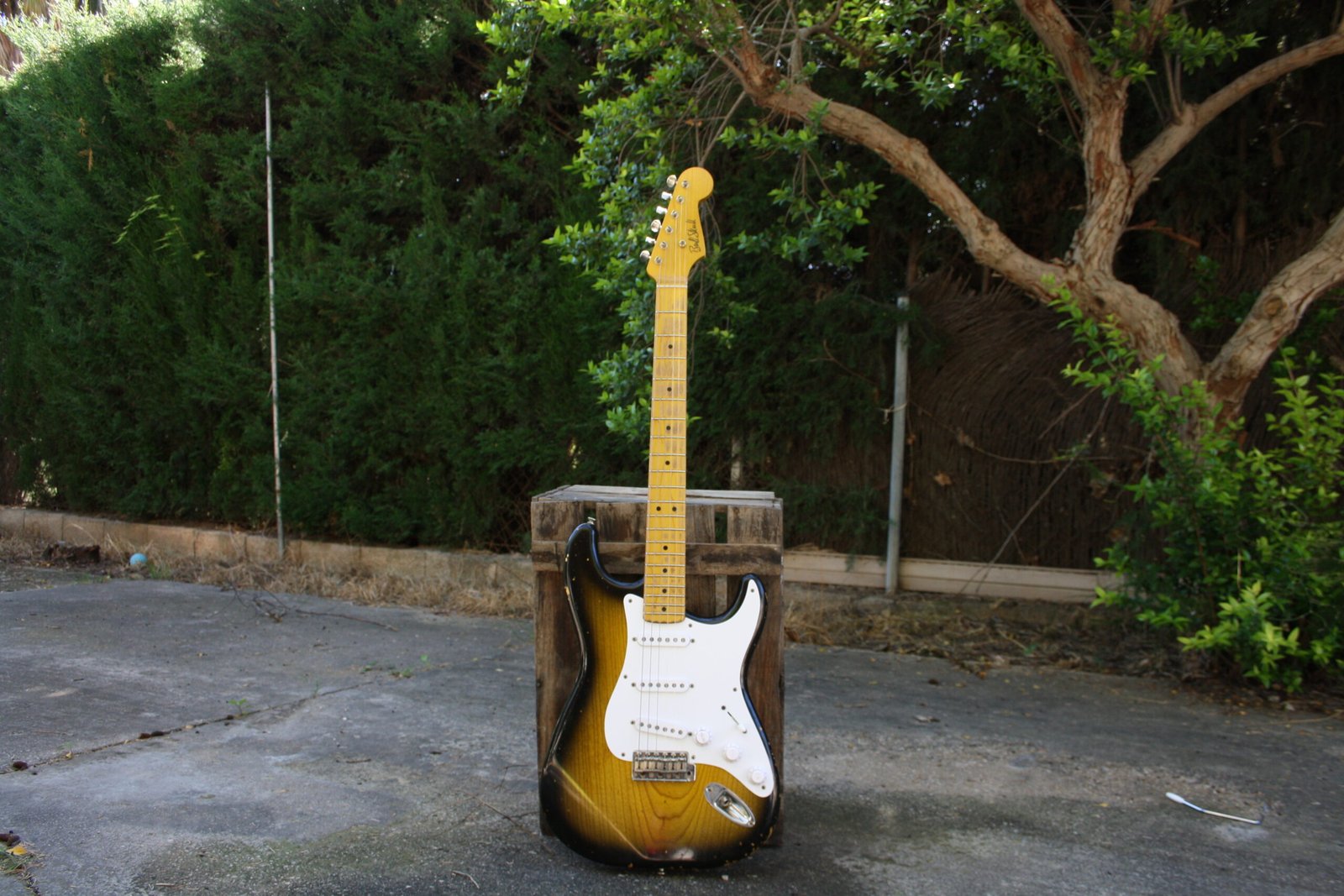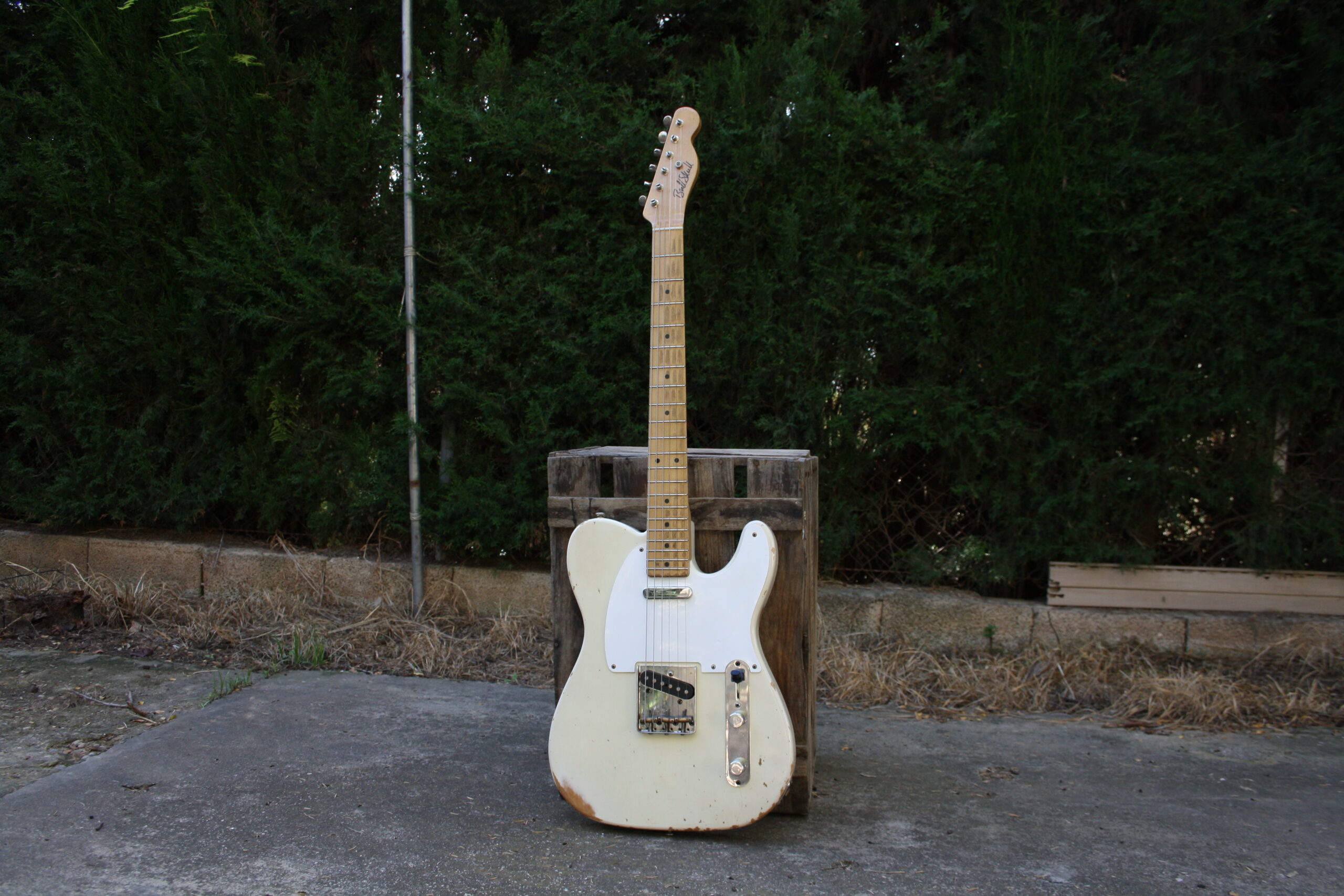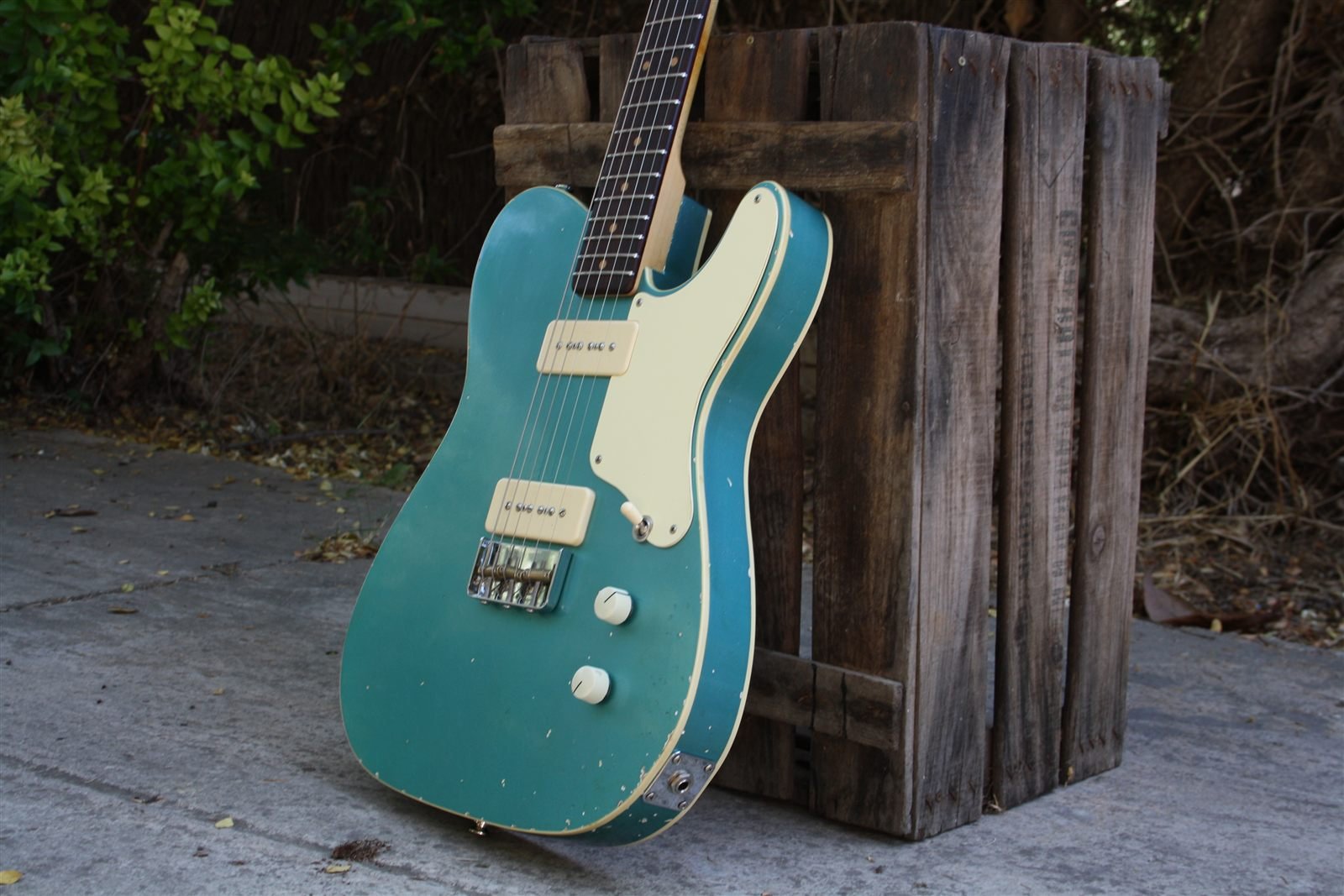
There is an idea we repeat a lot in the workshop: more bass and more distortion don’t always make a guitar sound bigger in a band. You can get a huge sound playing alone and then find that, once the other instruments come in, it’s hard to make out what you’re playing.
Masking: when one instrument covers another
Part of the explanation is masking: when several instruments concentrate energy in similar areas of the spectrum, some can hide others. If we load the guitar with bass and scoop its mids, we add weight in a region it shares with the bass guitar and lose part of the information that helps you recognise it within the mix.

What saturation does to your sound
Saturation also changes the response. By clipping the peaks of the signal, it reduces the difference between the attack and the sound that sustains afterwards, and it generates new harmonics. That adds density, sustain and character but, pushed too far, it can make the pick attack less obvious and reduce the separation between notes. The sound can last longer and still lose punch.
Why we care so much about the mids
That’s why we pay so much attention to the mids. That range holds a large part of the guitar’s personality and articulation. The upper mids bring bite and presence, although they also share space with the vocals, the snare and the cymbals. The balance lies in getting body, definition and attack without the sound becoming muddy, nasal or harsh.
How we apply it to our pickups
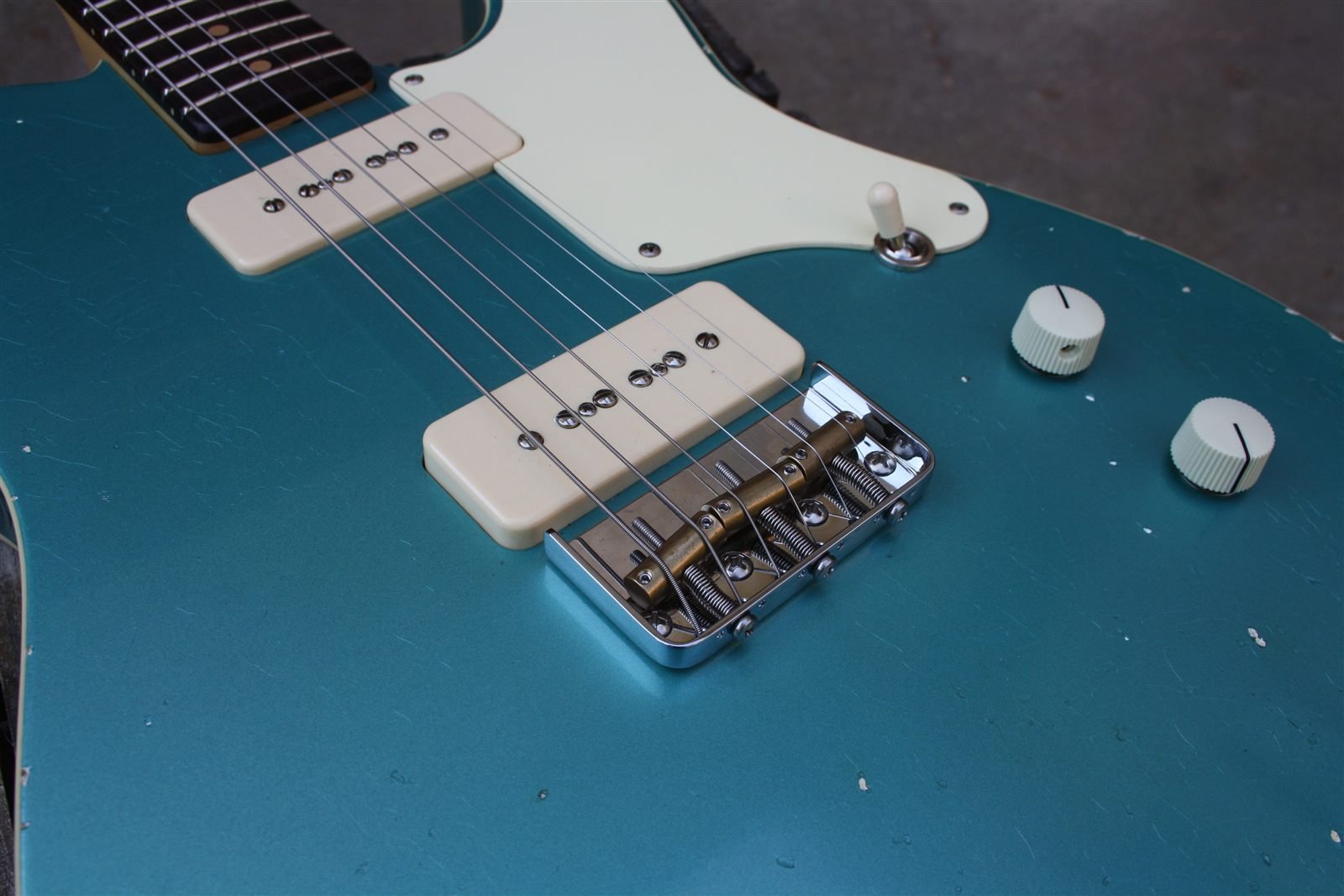
This way of understanding sound guides the work on our pickups. The number of turns, the wire gauge, the coil geometry and the magnetic system all shape their response. The pickup’s inductance, together with the cable capacitance and the load of the electronics, largely determines where its resonance appears and how much it stands out. That’s why a resistance figure in kilohms, on its own, doesn’t describe how a pickup sounds or tell you anything about its quality.

What we look for in a Bull Skull
At Bull Skull we look for a specific combination: controlled lows, mids with character and enough clarity to keep the intention of every note. We want the guitar to respond to your hands, let you work with the volume knob and hand the amp a signal you can build your sound on.
The final result also depends on the amp, the speakers and the settings. Our part is to give the musician an instrument with a defined voice and a consistent response. A Bull Skull is for those who connect with that approach: feeling the body of the guitar and hearing clearly what they’re playing, even when the whole band comes in.
Tell us how you play and what you are after.